







The Everyday Struggles African SMEs Face With International Trade
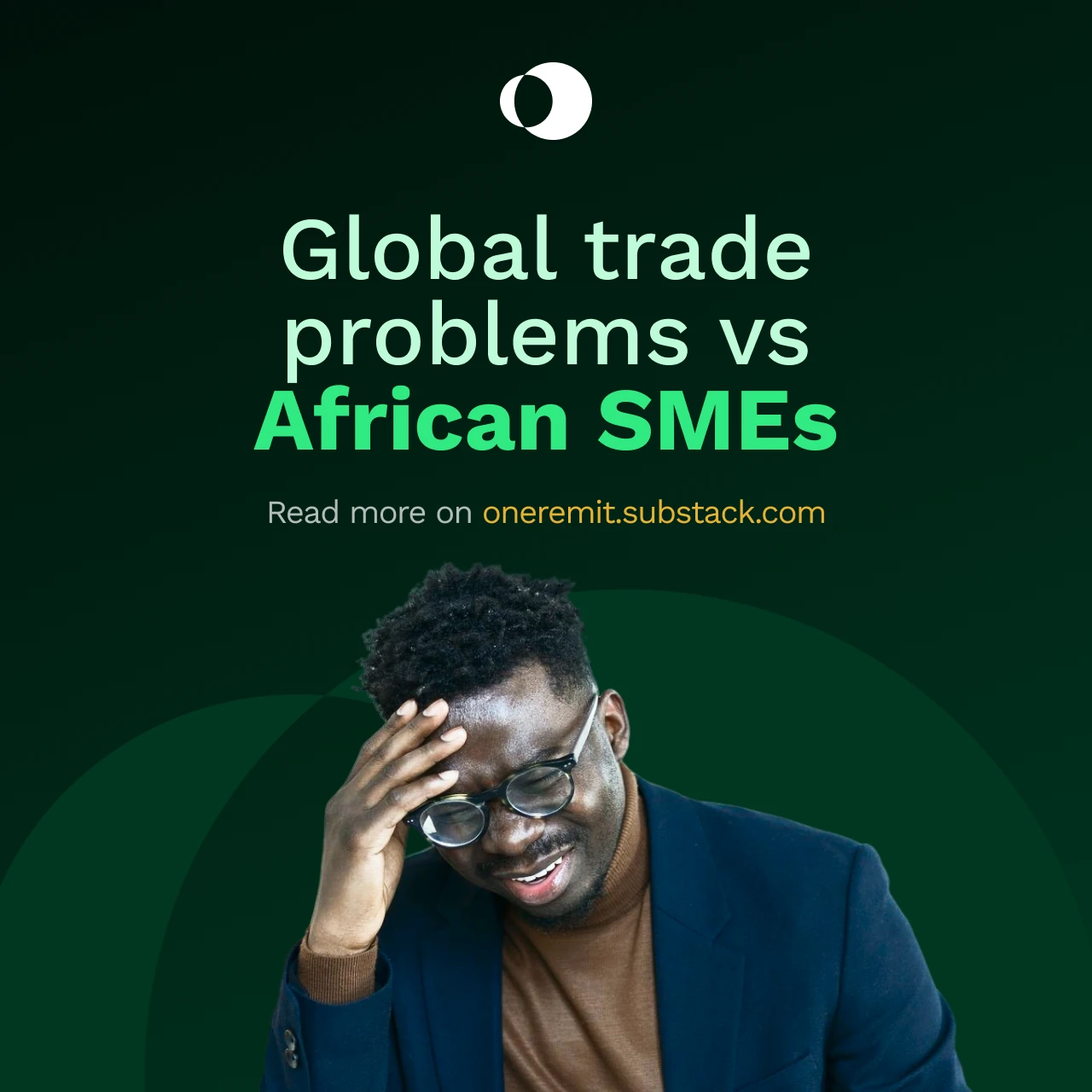
For many African SMEs, international trade is not just a business opportunity. It is a survival strategy. From Lagos to Nairobi, small and medium-sized enterprises are working tirelessly to access foreign markets, connect with suppliers, and grow their customer base abroad. Yet, every time they try to move money across borders, they are confronted with obstacles that turn a simple transaction into a major challenge.
These challenges are not hidden; they are part of the daily grind of doing business across borders in Africa.
Consider a Nigerian textile trader who imports fabrics from Dubai. Orders are ready, suppliers are waiting, but payments keep bouncing between banks because of restrictive correspondent banking rules. The shipment is delayed, customers are unhappy, and a business relationship that took years to build begins to strain.
Or take a Ghanaian SME exporting cocoa products to Europe. While demand is strong, fluctuating exchange rates eat into profits. By the time payments clear — often days or even weeks later the business has already lost money it can’t afford to.
Even parents sending tuition fees abroad for their children’s education encounter similar friction. Payments get stuck, delayed, or charged with exorbitant fees that make an already heavy financial burden even harder to carry.
The Three Big Barriers
African SMEs face many issues with international trade, but three stand out:
1. High Costs: Cross-border transfers often come with multiple hidden charges. SMEs lose a chunk of their hard-earned income just to move money.
2. Delays: Payments that should clear in minutes sometimes take days or weeks, disrupting supply chains and cash flow.
3. Uncertainty: From sudden policy changes to volatile exchange rates, businesses can never predict how much a transaction will cost or how long it will take.
These challenges create an uneven playing field. While larger corporations can absorb the costs and navigate complex systems, SMEs are left to struggle, limiting their potential to scale and compete globally.
Why It Matters
SMEs are the backbone of Africa’s economy. They create jobs, fuel innovation, and drive growth. Yet, without reliable access to global payment systems, they are locked out of opportunities that could help them thrive. International trade is supposed to be a gateway to growth, not a barrier.
If African businesses are to compete on the world stage, they need a financial infrastructure that works for them, not against them.
This is where innovation becomes more than a buzzword. Stable digital currencies and modern fintech solutions are showing that cross-border payments don’t have to be expensive, slow, or uncertain. They can be instant, transparent, and cost-efficient.
At Oneremit, this is the mission we wake up to every day: making international payments seamless for African SMEs. By leveraging stablecoins and secure payment rails, we help businesses bypass the unnecessary friction that has held them back for too long. For the textile trader, it means faster payments to suppliers. For the cocoa exporter, it means protecting profits from volatility. For families paying tuition, it means peace of mind that money gets where it’s needed, when it’s needed.
Because when SMEs can move money easily, they can grow, create jobs, and unlock Africa’s place in the global economy.
The struggles African SMEs face with international trade are real, but they don’t have to be permanent. A future where businesses trade without borders is not a dream it is a possibility already being built today. And with Oneremit, that future is within reach.
Subscribe to our newsletter
for industry and payment insights